Oil Rose Just 5% When the Iran War Restarted. $100 Crude Isn't Coming
TL;DR
- Brent settled up 5.4% at $78.19. WTI up 4.4% at $73.52. That was the reaction to the US striking Iran, revoking an oil sanctions waiver, AND tankers getting attacked in the Strait of Hormuz. In the same week.
- April's post-war peak was above $126. We're $48 below it after a full re-escalation.
- Oil had actually fallen to pre-war levels under $71 in early July on peace hopes, so this spike started from the floor.
- Crude is a $70 to $80 range trade now. Fade the headline spikes and stop paying for the breakout.
A 5% Spike Is A Shrug With Extra Steps
The Strait of Hormuz carries a fifth of the world's oil. Tankers got attacked in it this week, the US resumed strikes on Iran, and Washington yanked the sanctions waiver on Iranian crude. Twenty years ago that news flow buys you $150 oil and a recession scare. This week it bought 5%.
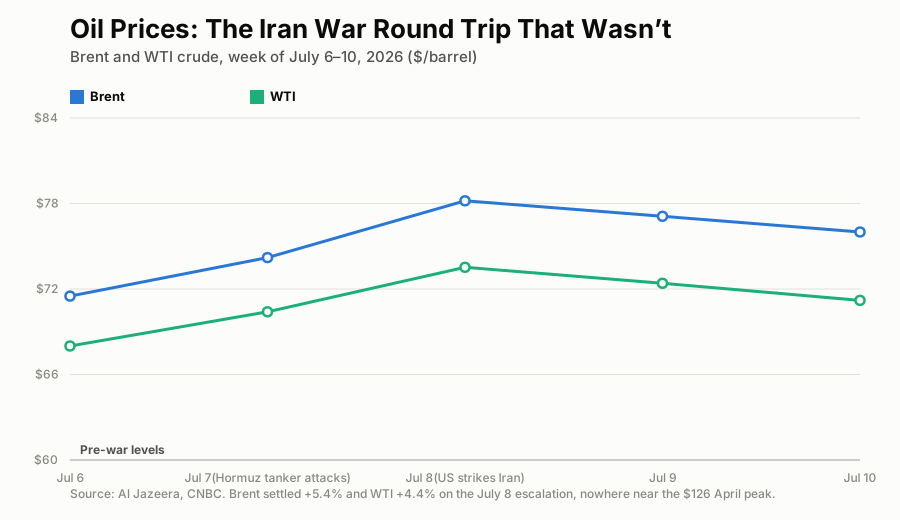
Brent and WTI's week: a real spike, and a thoroughly contained one.
Four Reasons $100 Isn't Happening
1. The market already priced the apocalypse once and got a refund. April's spike above $126 was the full worst-case scenario, priced live. Then diplomacy happened, and crude gave back 38% to land under $71 at pre-war levels. When the ceasefire collapsed, oil didn't need to discover a new panic price. It just reversed partway back toward the old one. Second-time shocks are cheaper than first-time shocks, every time.
2. Closing Hormuz is a meme. Attacking tankers is escalation. Actually shutting a strait that carries 20% of global supply means going to war with the US Navy and every economy on the planet simultaneously, including the ones still buying Iranian crude. The market prices that probability near zero even while the headlines scream, because it is near zero.
3. The supply cushion is real. US shale, OPEC+ spare capacity, and strategic reserves give this market shock absorbers that simply didn't exist during the oil crises your $150 forecasts are pattern-matched to. A regional disruption gets absorbed. It takes a global one to break the range.
4. Demand is soft and getting softer. The IMF just cut 2026 global growth to 3% from 3.5%, specifically citing this war's energy shock. Weaker growth means weaker oil demand, which caps price during the exact events that are supposed to spike it. The war is capping its own oil rally. Almost poetic.
The Range Is The Trade
- Floor: $70-71. Pre-war levels, established twice now. A return there means the market smells another ceasefire.
- Ceiling: $80. A close above it that holds is your first real signal the market is repricing this conflict as something bigger than contained.
- The real tell: tanker insurance rates through Hormuz. Physical flows and shipping premiums lead price. Political rhetoric doesn't. Watch the boring data, skip the speeches.
The Options Angle
Range-bound underlying plus recurring fear spikes is the single best environment for selling premium, and crude is serving it on a plate.
- Fade every spike. Any 5%+ single-day headline pop in crude, buy short-dated USO puts, two to three weeks out. War premium bleeds out of oil within days when Hormuz stays open, and Hormuz keeps staying open.
- Or sell out-of-the-money calls above the $80-equivalent level, 30 to 45 days out. You're getting paid by people betting on the breakout that four separate structural forces are blocking.
- Only own upside on physical confirmation. Tankers actually stopping, insurance going vertical, flows actually dropping. Until then, long crude calls is paying theta to bet against OPEC spare capacity and the US Navy at the same time.
Where Crude Actually Goes
Sideways, violently. $70 to $80 with headline spikes that get sold within the week, until either a ceasefire breaks the floor or a real physical disruption breaks the ceiling. The market has voted twice this year that this war is contained, and both times it was right. Trade the range it gave you.
Comments
0 totalNo comments yet. Be the first to drop a take.