S&P 500 Shrugs Off Iran War, Closes 0.6% From All-Time Highs
TL;DR
- Trump ended the Iran ceasefire on July 8 at the NATO summit. Oil spiked 5%. The S&P 500 fell 0.28%.
- By Friday the index closed at 7,575.39, just 0.6% below its all-time high. Fourth winning week in five.
- The index has printed more than 23 all-time highs in 2026 already. War headlines have stopped moving this tape.
- The next big move comes from the chip complex, not the Middle East. Position for that.
War Restarts, Index Dips A Quarter Percent
Tell an investor in January that the US would resume strikes on Iran, tankers would get attacked in the Strait of Hormuz, and oil would jump 5% in a session. Ask them where the S&P closes that week. Nobody says "basically at record highs." It happened anyway.
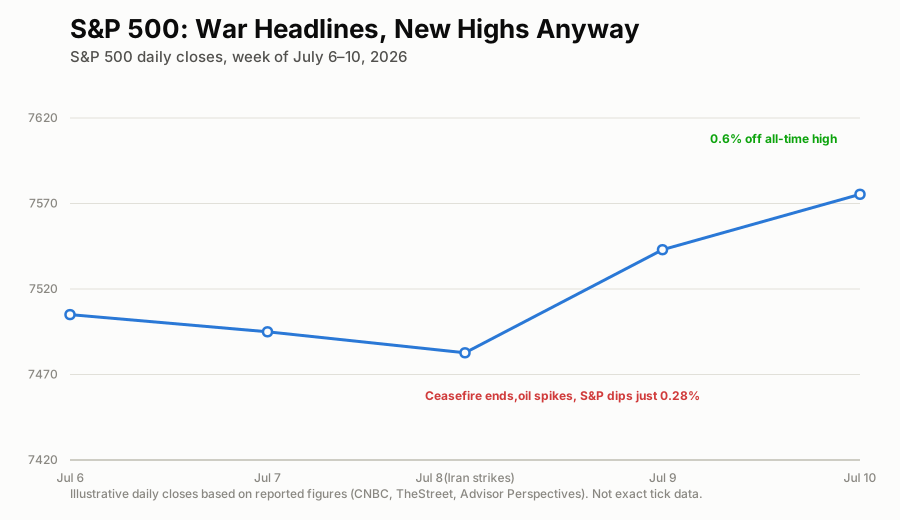
The S&P's week: a shallow dip on the ceasefire collapse, then straight back toward records.
Three things explain the shrug, and none of them are complacency.
The market already sat this exam in March. The first Iran escalation this spring came with a genuine panic: oil above $126, a VIX blowout, real drawdowns. The market repriced the full worst-case once, watched it not happen, and filed the answer away. The second time the same headline hits, the repricing takes hours instead of weeks. That's how markets learn.
Rotation absorbed the whole shock. On ceasefire-collapse day, energy (XLE) jumped over 2% while tech (XLK) dropped about 2%. Money moved between sectors and the index barely felt it. War headlines get expressed as rotation now, not as risk-off. That's a structurally calmer market than the headlines suggest.
The index has bigger things to worry about. The same week featured a $1 trillion semiconductor selloff and the biggest foreign IPO in US history. The S&P is an AI-and-rates index with a geopolitics side hustle. Iran had to compete with SK Hynix for the market's attention and lost.
Worth noting: the IMF cut its 2026 global growth forecast to 3% from 3.5% over this exact war, and the index didn't care about that either. Equities are betting the earnings hit lands somewhere other than the S&P 500's constituents. So far, they've been right.
The Levels
- 7,600: the breakout. Above it, price discovery, and the melt-up crowd gets loud.
- 7,450 to 7,480: the support that held on war day. This is the zone that matters on any re-escalation.
- Below 7,450, the story changes and you should start asking whether the chip selloff is spreading. That's the actual bear case.
The Options Angle
Every Iran headline gifts you the same trade: vol pops, the index dips a quarter percent, and both revert within days. Sell that pattern.
- SPY put credit spreads 30 to 45 days out, short strike below the 7,450 support zone. War-headline premium plus an index grinding at highs is the best risk-reward the tape is offering right now.
- On any headline flush into 7,450-7,480, buy two-month at-the-money SPY calls. The pattern this year is dip, rip, new high. Two months covers the full cycle plus an earnings season.
- Stay away from 0DTE around Iran headlines. The dip and rip resolves intraday and the fills will eat you alive. This is a swing pattern, not a scalp.
New Highs Or Nah?
New highs. The index told you its answer four winning weeks out of five, through a war restart, an oil spike, and a trillion-dollar sector drawdown. The one thing that changes this picture is the AI trade cracking wider, because that's where the index's entire two-year return is concentrated. Watch SOXX, not the Strait of Hormuz.
Comments
0 totalNo comments yet. Be the first to drop a take.