Annaly (NLY) Q2 2026 Earnings: Book Value Rose to $20.15 and the $0.75 Dividend Was Covered
Annaly's Q2 2026: book value per share rose 1.7% to $20.15, earnings available for distribution of $0.79 covered the $0.75 dividend at 105.3%, and economic return was 5.5% for the quarter.
TL;DR
- Annaly reports Q2 2026 after the close on July 21. Consensus is $0.75 earnings available for distribution on about $509 million net interest income.
- The headline draw: Annaly raised its quarterly dividend to $0.75 (from $0.70), its first hike in years. The payout and the estimate are the same number, which is the whole tension.
- The metric that actually matters for a mortgage REIT is book value per share, not the dividend. A fat yield funded by shrinking book value is your own capital handed back to you.
- This is a preview and a plan, not a prediction. Watch book value, the economic return, and what the yield curve did to the spread.
More on Macro & The Fed: Stock Market Week Ahead (Sep 7-11): Labor Day, Apple's iPhone Event, Oracle, Adobe, and August CPI →
The Board
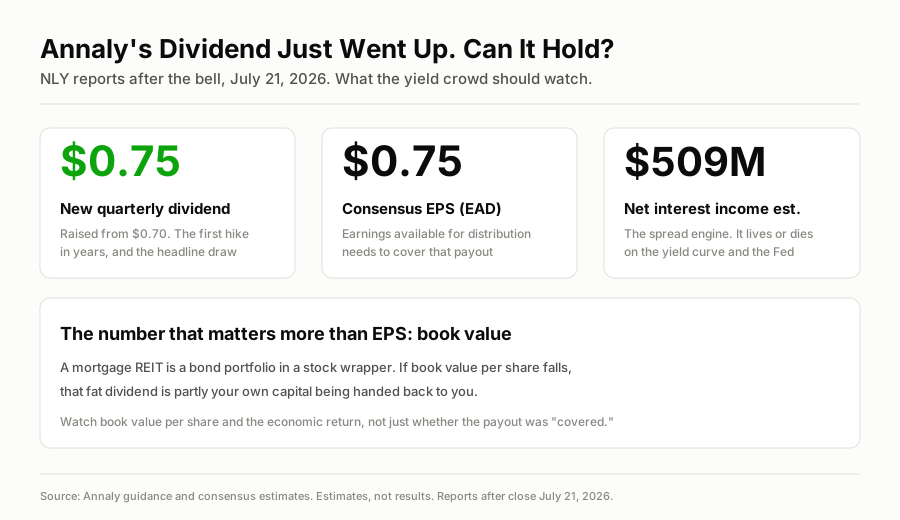
The dividend is the ad. Book value is the fine print.
Why The Dividend Isn't The Number That Matters
A mortgage REIT is a leveraged bond portfolio wearing a stock ticker. Annaly borrows short, buys mortgage-backed securities, and pays you the spread. The $0.75 dividend is what draws the yield crowd, but here's the uncomfortable math: the consensus for earnings available for distribution is also $0.75, meaning the payout is covered with essentially no cushion.
So the real question isn't "did they cover the dividend." It's what happened to book value per share. If book value fell this quarter, then part of that generous yield is not investment income at all, it's your own capital being returned to you with a bow on it. Total economic return (dividend plus change in book value) is the only honest scorecard for a name like this.
The Spread Engine And The Fed
Net interest income of about $509 million is the spread engine, and it lives or dies on the shape of the yield curve. A steeper curve widens the spread Annaly earns; a flatter or inverted one squeezes it. That makes NLY a pure bet on rates and Fed policy, which is why it belongs in the same conversation as whether a 2026 rate cut is even on the table and the Fed's first real test under Warsh.
It's also a leveraged read on mortgages specifically. With mortgage rates stuck in 2026, prepayment speeds and MBS valuations swing Annaly's book around more than the headline dividend ever will.
The Part The Yield Chasers Skip
That double-digit headline yield is a warning label as much as a reward. Mortgage REITs are famous for the same pattern: pay a huge dividend, watch book value erode, and the total return underwhelms while the payout looks heroic on a screener. A dividend hike into a covered-with-no-cushion quarter can be confidence, or it can be management defending the stock's main selling point.
If you're buying NLY purely for the yield, you owe it to yourself to understand what you're actually holding. Our dividend stocks pros and cons guide and why dividend capture fails both apply directly here: the yield is real, but so is the capital risk sitting underneath it, and the two can cancel out.
The Options Angle
- Covered calls are the natural fit for a yield name. If you hold NLY for income, selling calls layers option premium on top of the dividend. Just mind the ex-dividend dates so you don't get your shares called away right before a payment.
- The event risk is book value, not a big price gap. NLY rarely moves like a high-beta tech stock on earnings; the "surprise" is usually a book-value number that reprices the shares over days, not a violent after-hours gap. Size accordingly.
- Rate-sensitive, so hedge the macro, not the print. If you own NLY, the real risk is the yield curve, and the calls and puts guide covers how to put a floor under a rate-driven drawdown.
The One-Line Read
Annaly raised its dividend to $0.75 into a quarter where the estimate is also $0.75, so ignore the headline yield and go straight to book value per share, because for a mortgage REIT the only number that tells you whether the payout is income or a slow return of your own capital is what happened to the book.
Next up:PPI, tomorrow at 8:30am ET →
More on Macro & The Fed
$SPY · 2026-09-05
Stock Market Week Ahead (Sep 7-11): Labor Day, Apple's iPhone Event, Oracle, Adobe, and August CPI
$SPY · 2026-08-29
Stock Market Week Ahead (Aug 31-Sep 4): Broadcom, Dell, and a Jobs Report Into 57% Hike Odds
$SPY · 2026-08-28
Fed Dot Plot September 2026: Nine Hike Dots, None of Them Warsh's
Updated Every Saturday
The Week Ahead
Every earnings date, Fed event and setup for the current trading week, on one page.
Refreshed Weekly
Earnings Calendar
Who reports next, when, and what consensus and the whisper expect.
The Week-Ahead Brief
Don’t miss next week’s setups. Get the Sunday brief.
Latest issue, Sep 7“Week ahead in the stock market...”
Every Sunday: next week’s earnings dates, Fed days and the trades worth watching, from the same desk that writes the week-ahead hub. Free, built for retail investors.